
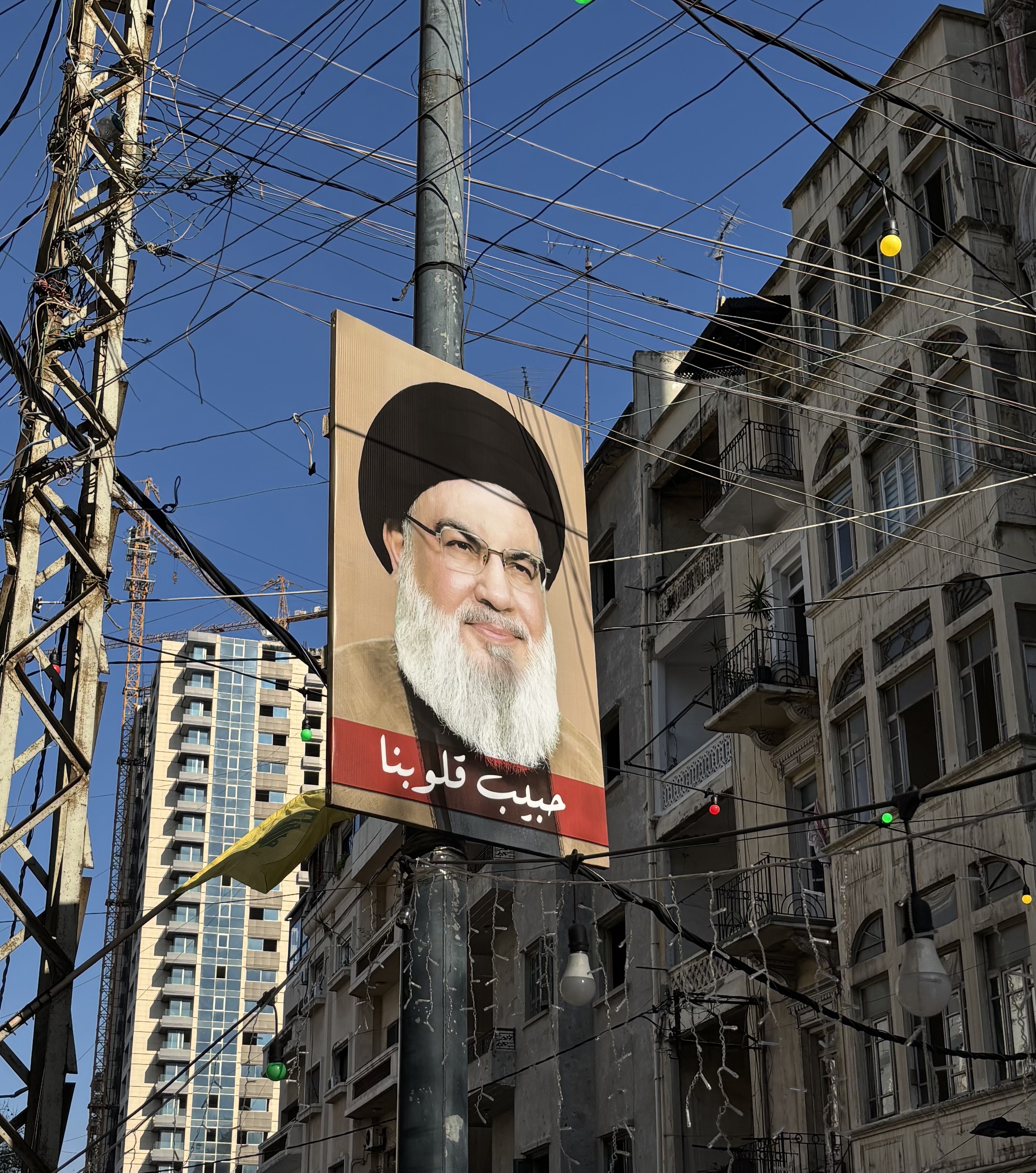
The funeral of Hassan Nasrallah and his lieutenant was a somber and stately affair. The crowd wore black against which the yellow flags of Hezbollah flickered brightly. There was little evidence of the Lebanese national flag but the Iranian national flag was prominent. For this there was much criticism, notably including a member of Amal, the rival Shi’a party. It was a Shi’a family affair. Neither the Lebanese president nor the prime minister attended.
Nasrallah and the party have always been matters of ambivalence and controversy in Lebanese life but even those who opposed Nasrallah begrudgingly admired him. His command of formal Arabic was much appreciated for its eloquence: this, in a culture where poetry, not painting, is the supreme art form. So too, was his policy of tolerance for other religious cultures. While Hezbollah regularly disputes territory with its neighbors, especially the Maronites, and their own ways reflect the strictures of Iranian religious authorities, there has generally been a live-and-let-live policy towards others. I would like to think that this is an expression of their Lebanese origins.
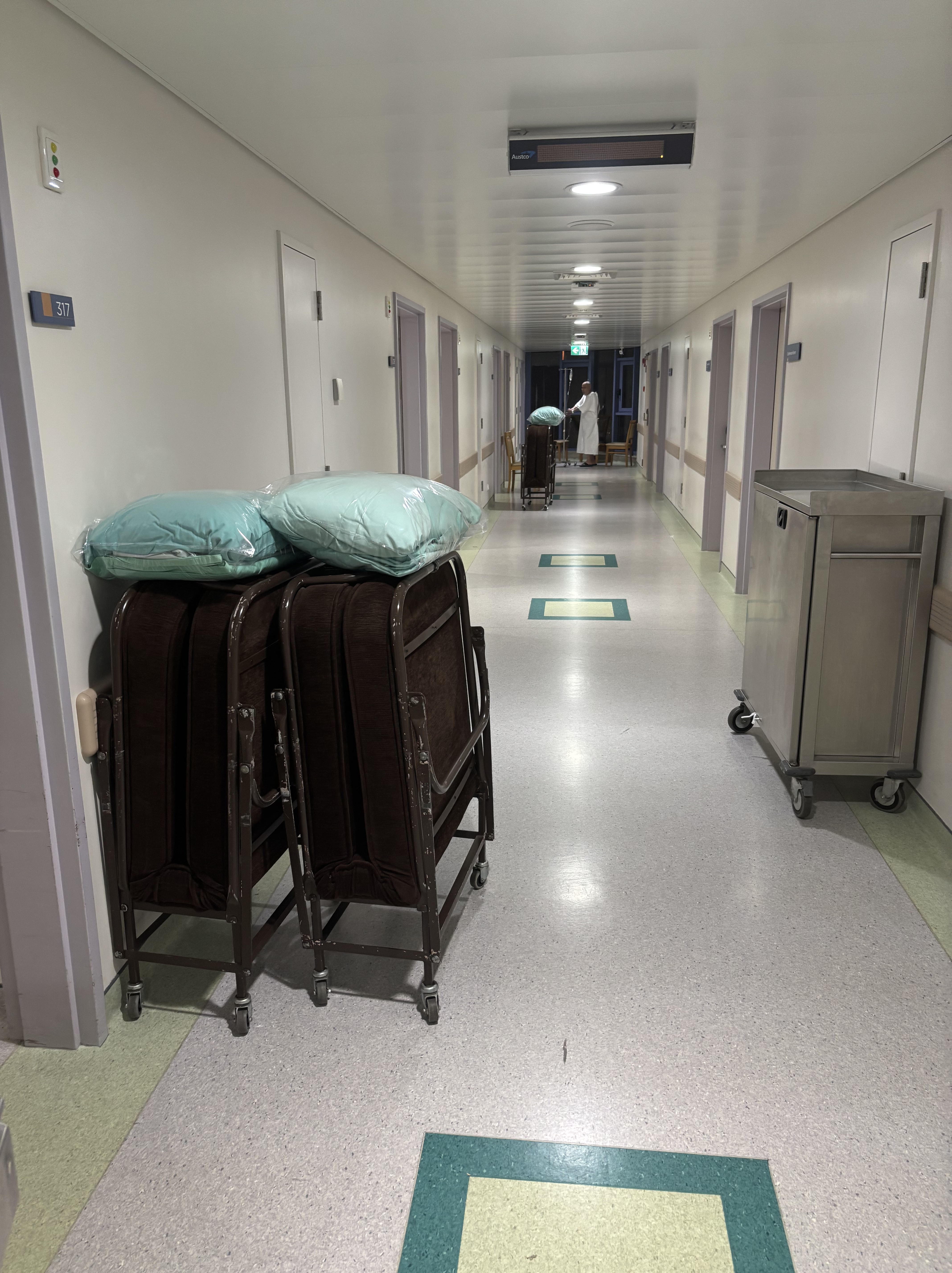
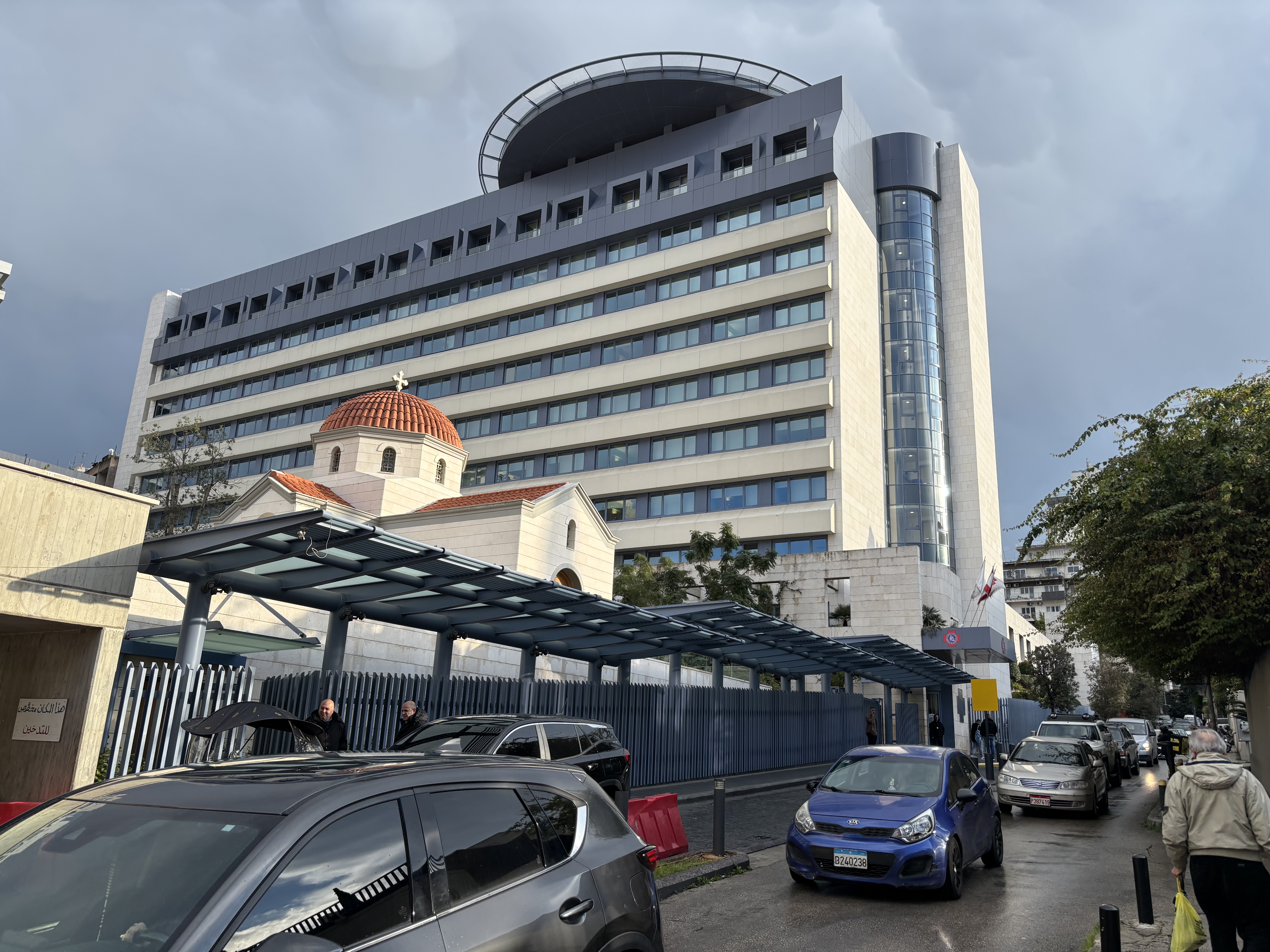
What struck me most forcefully watching the funeral from the hospital was hearing Chopin’s Marche Funèbre played by the Hezbollah orchestra. Hezbollah and Chopin? It seemed a perfect example of an observation by Robert Fisk about arriving in Lebanon: that when approached from the East, one thinks one has arrived in the West; when approached from the West, one thinks one has arrived in the East.
But I have to admit, I think my surprise also sprang from the same roots as the jitteriness of the Christians and Sunnis about the possibility of violence on the day of the funeral. I think I had absorbed their othering of the Shi’as as the underclass. It is much like the fear white Americans have for their Black compatriots, a projection that fears retribution. In fact, the city was very quiet that day, a peace only broken by Israeli jets flying low and breaking the sound barrier. They bombed other parts of the country.
During their invasion of southern Lebanon last fall, the Israelis were also reported to have been surprised at the presence of pianos and other evidence of Western high culture in the homes they invaded, looted, and trashed. It is an area where Shi’a who have made their fortunes abroad come home to retire in well appointed villas. The realization that the despised other has achieved the same cultural attainments we value has the potential to restore their humanity, at least for an instance. One thinks of William Jennings Bryant as Secretary of State being surprised that the Haitians could speak French. One appreciates all the more the wisdom of Edward Said and Daniel Barenboim in establishing an orchestra for the youth of Israel, Palestine, and other Arab countries. This West-Eastern Divan Orchestra travels the world bearing witness to the healing and elevating qualities of music across human manufactured divisions.
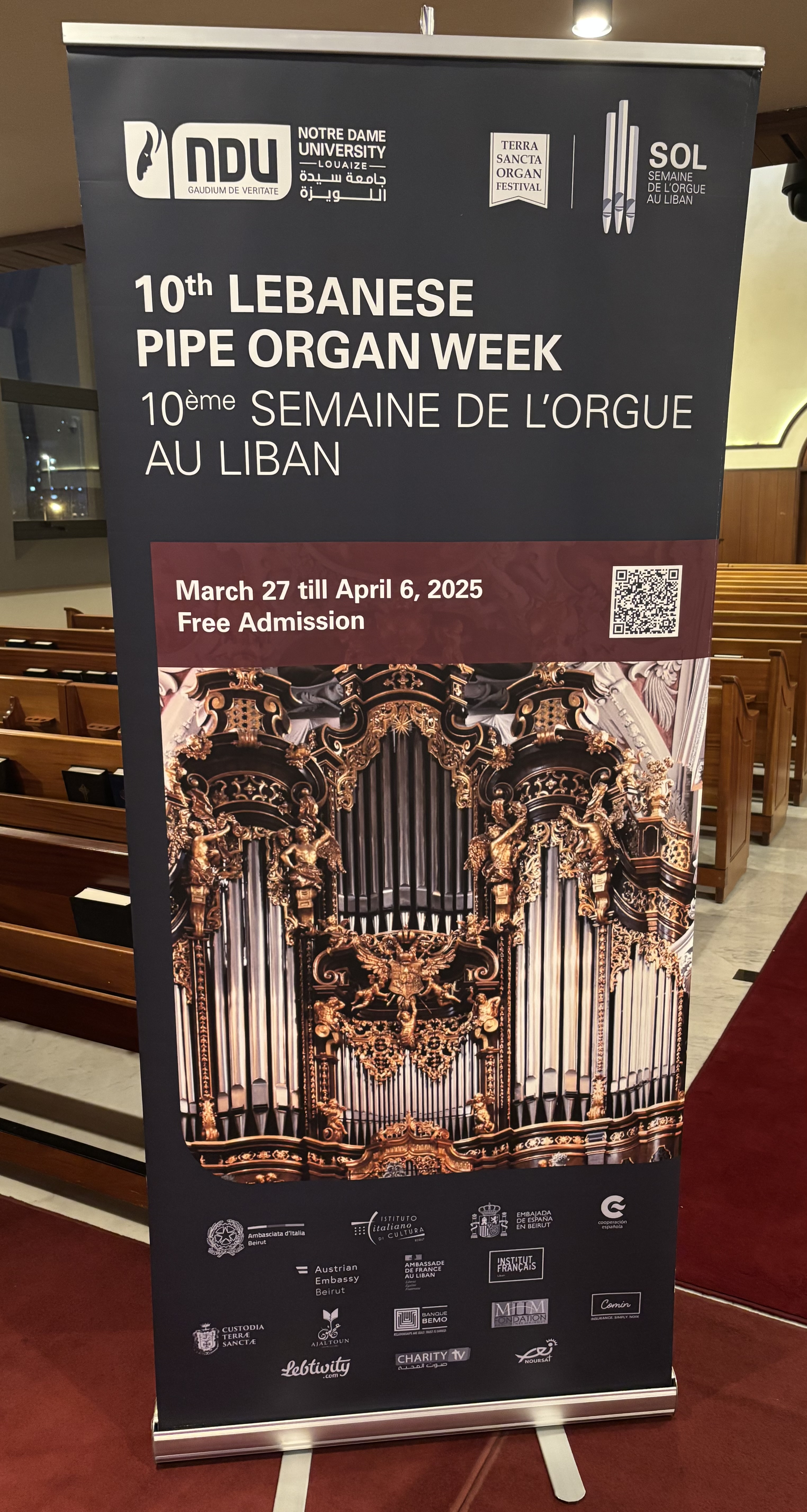
Last night I attended an organ concert, part of a week’s festival of organ music here. This was its tenth year and has been sponsored by various embassies and cultural institutes. Last night we heard a varied program from an organist flown in from Avila, Spain. His last offering was by a Lebanese composer, Naji Hakim, who first encountered the majesty of this instrument as a child in Beirut before the war.
Here is where we Westerners would say the Lebanese are so cosmopolitan, their cultural so liminal between East and West. But I think in fact that this region dissolves the dichotomy altogether. The organ has been here all along throughout the centuries. This is the land of the organ and the oud, the land of polyglots where the educated quote Shakespeare in addition to Abu Nuwas. I am beginning to wonder if what we consider Western Civilization isn’t just a diffuse subset of Middle Eastern, or, as is now expressed, Western Asian Civilization, however much we try to own it and keep it apart.


 goingfortheguttural