
It’s been raining the past few days and that makes everyone happy. There is a general belief that drones and artillery don’t function well in heavy rain so a downpour protects us from attack. Not sure I believe that.
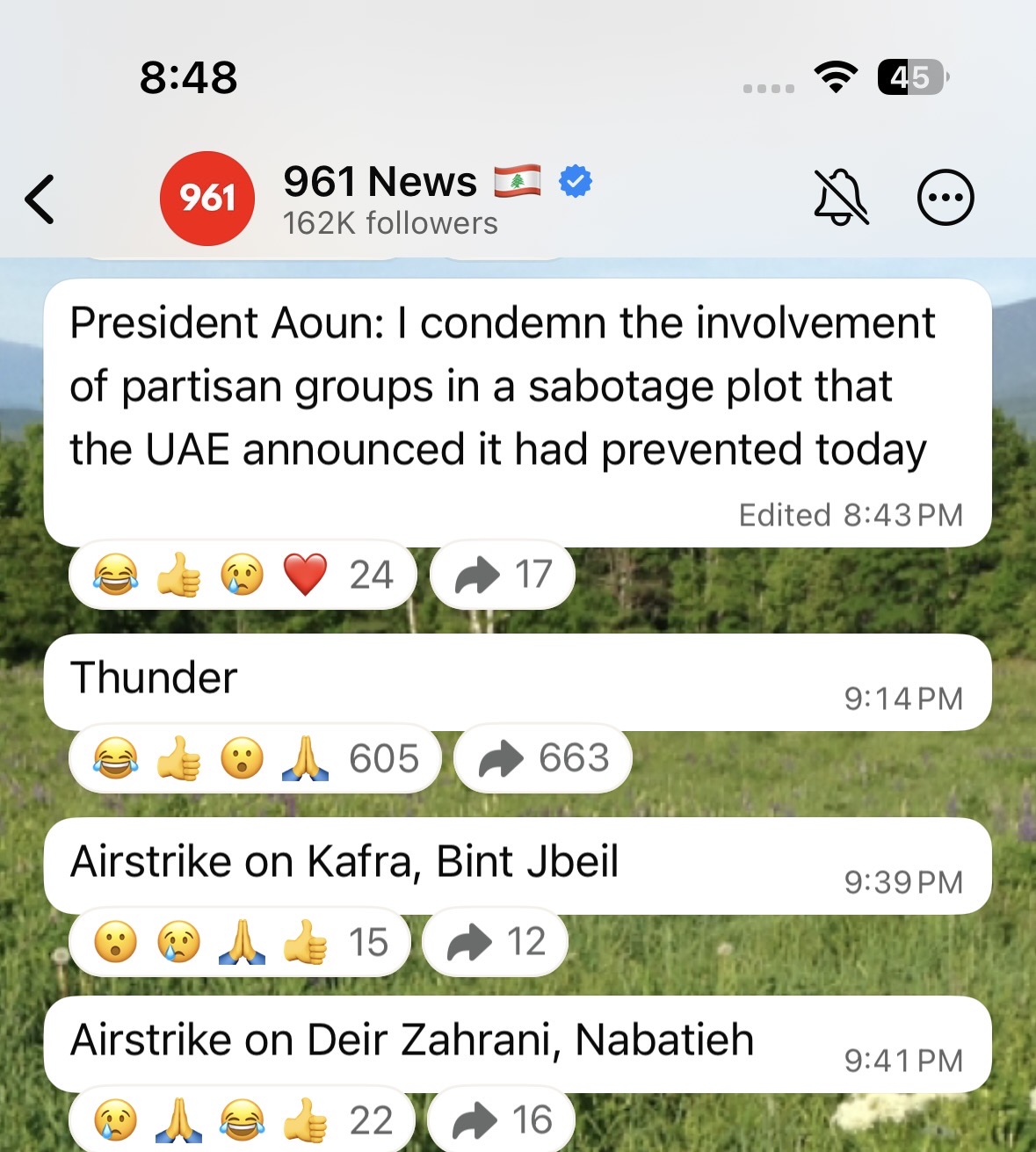
Still, we check weather reports before heading out from home. Sometimes it’s hard to know if we’re hearing thunder, bomber planes, sonic booms from Israeli jets, or an explosion. I’ve learned that the sound of a blast doesn’t travel very far if the wind is against it although last night I heard three loud cracks which friends tell me was the sound of a roadside assassination audible for tens of kilometers. I hear Israeli bombers as they fly low and, of course, the sonic boom of Israeli jets serving to remind us that they own the skies. The bombing of a building would involve multiple sounds – a boom, screams, and falling rubble. I have yet to hear such a sequence of sounds. Drones, on the other h are, are so ubiquitous that they are background noise now, like diesel generators and traffic.
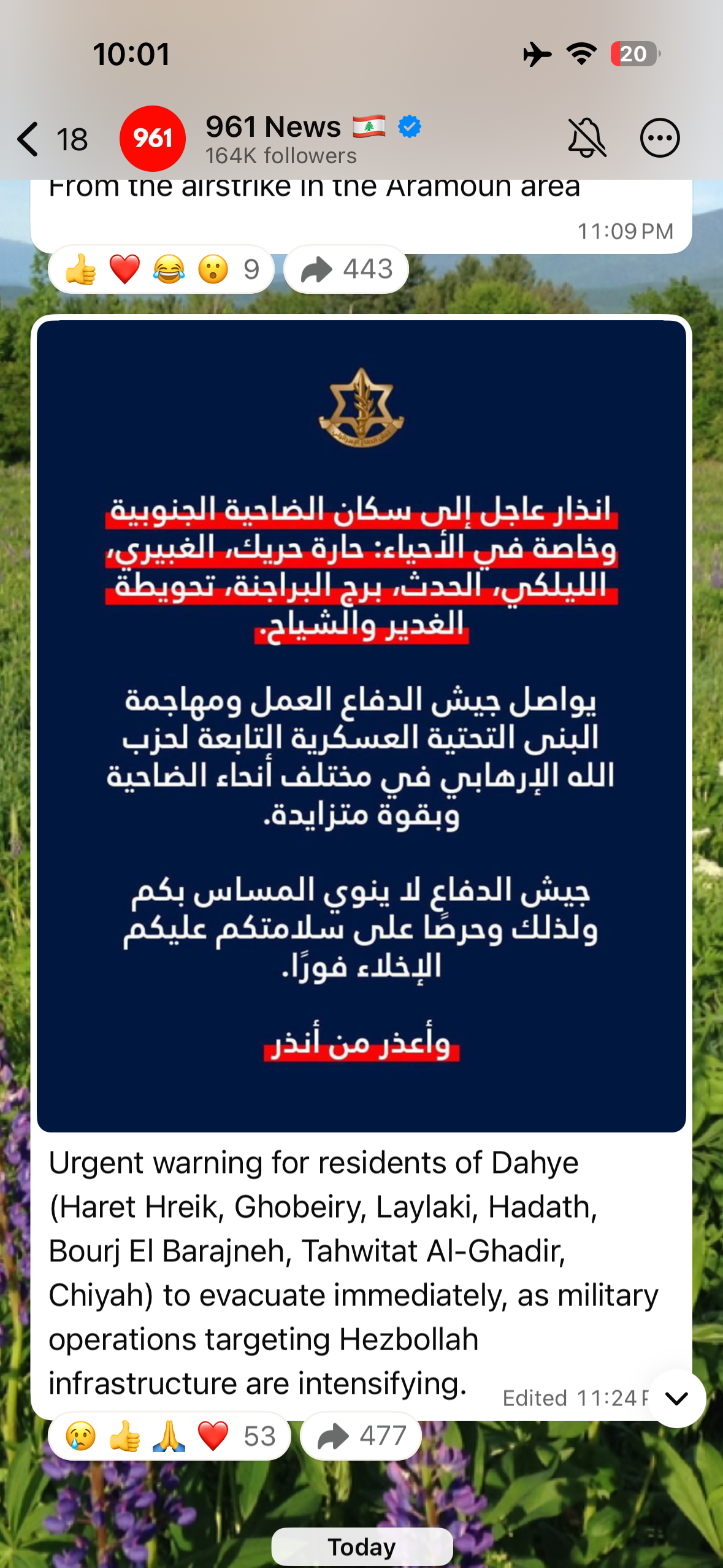
After the weather report, we check the bombing report. These are amply provided by the media and messaging apps. The Israelis generally give a few minutes of warning before striking buildings. Supposedly they are destroying Hezbollah infrastructure but not everyone is convinced that their targets really are that at all. There is no advance warning for assassinations, which could involve all or part of a building if the person is inside.
My decision to stay here has been a matter of political geography. The Israelis are attacking the Shi’a, the sectarian underclass of Lebanon from which sprang Hezbollah. To a lesser extent they are also attacking their old foe, the Palestinians. My part of town contains two American universities and an American hospital. It’s predominantly Lebanese Sunni and Christian. The general feeling here is that an Israeli strike is unlikely here because the Saudis are protecting the Sunnis and the Americans are protecting the Christians. Needless to say, Iran’s protection of the Shi’a doesn’t cut much ice with Israel, Saudi, or the U.S.
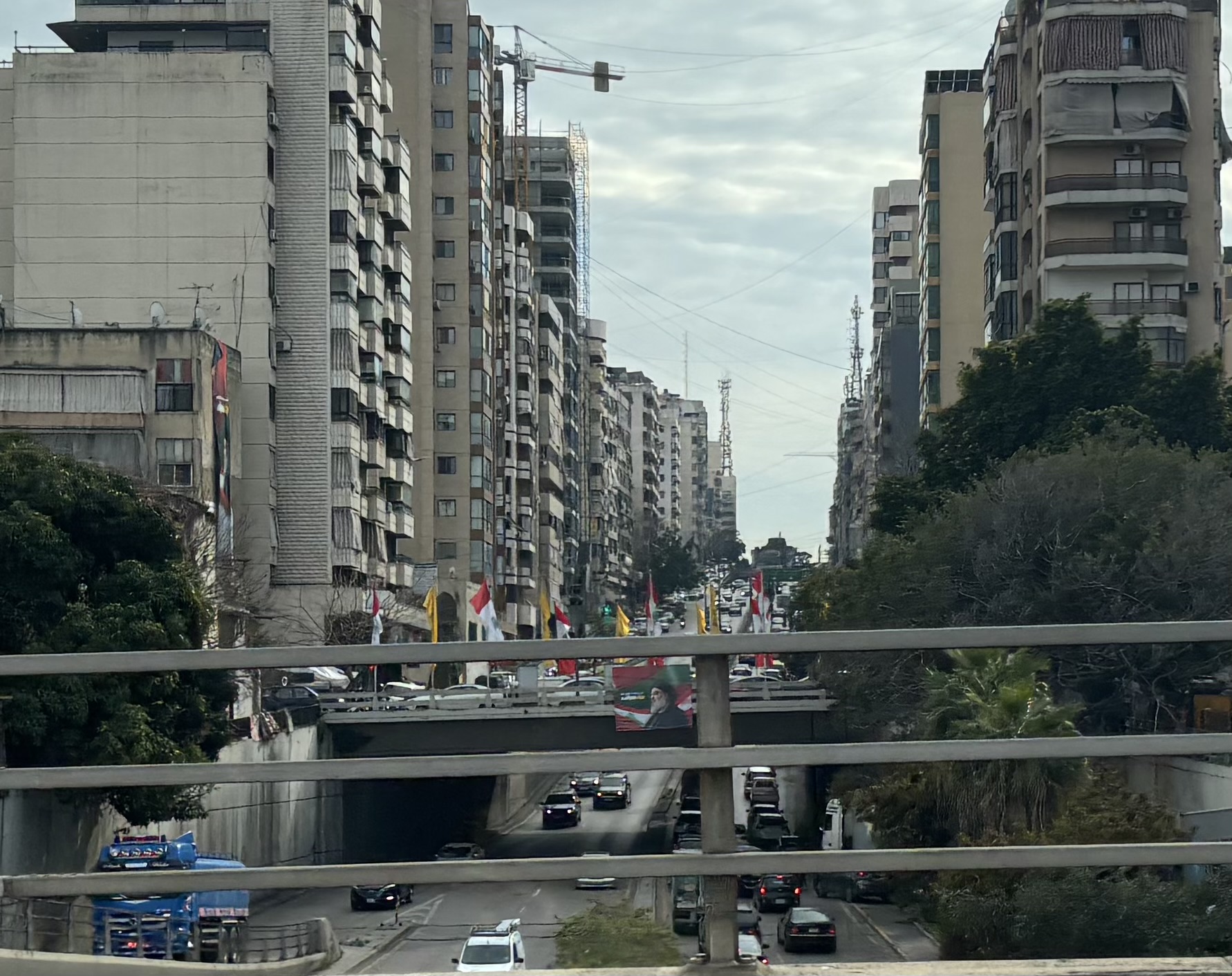
I do leave the neighborhood every day to the hospital to see my stricken friend, Imad. That neighborhood is almost entirely Christian. Historically, some of the Maronites who live there have been part of the local Falange which sided with Israel against their common foe, the Palestinians, during the proxy war known as the “Lebanese Civil War”. I insist that the taxis take a particular route to the hospital so I can avoid the Shi’a neighborhoods that stand between mine and the hospital’s. Those areas have been hit a few times of late.
Up to a few days ago, this political geography served me well. But now Israel and the U.S. have started striking universities in Iran, including those of Tehran, Isfahan, and Shiraz. The devastating hit on the girls’ school in Minrab is increasingly looking like a deliberate strike, according to the latest reports in the press. The message here is that the legal prohibition against hitting civilians or civilian infrastructure has been cast aside in favor of barbarity and terror. In return, Iran has announced it will permit itself to strike American universities in the region. In my neighborhood, the American University in Beirut and the Lebanese American University have gone to online instruction. Friends here say Iran is unlikely to hit these institutions as they have so many Shi’a as students and staff.
Two nights ago I heard two loud booms. I messaged my landlord and he reassured me that it was thunder. It motivated me to pack a “go bag” and send it along with Imad’s family so I can stay with them outside the city should need arise. I have already done so once when Israel announced major strikes and we were concerned about falling glass near the hospital. Nothing happened.
My policy remains: when my Lebanese friends in the neighborhood get nervous, I will get nervous. Right now I am focusing on Imad’s recovery and that’s quite enough. When I do leave, I’ll make sure to fly straight to Europe as I don’t trust anyone not to shoot down a commercial flight in this lawless environment, certainly not when schools and universities are fair game.
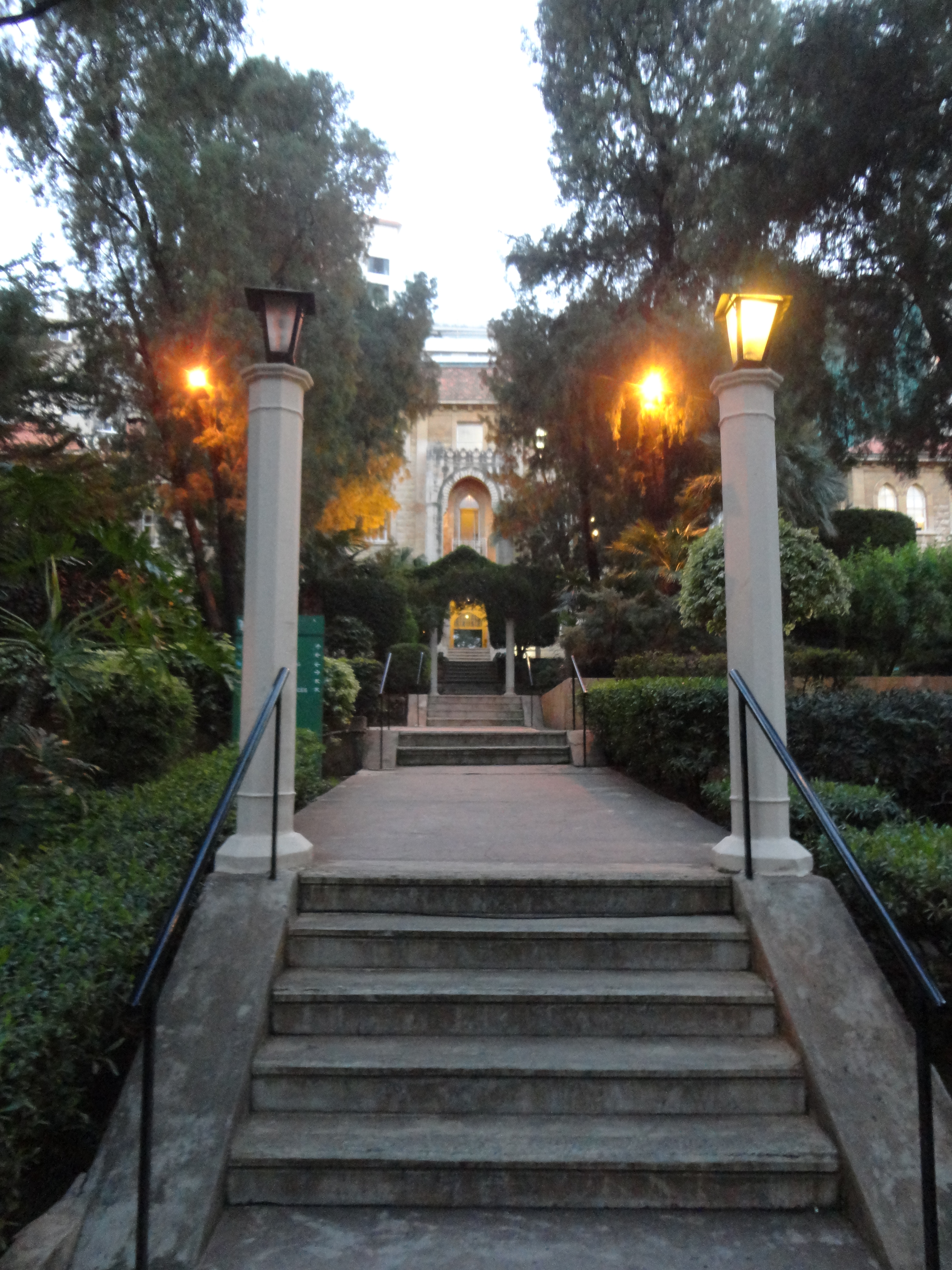
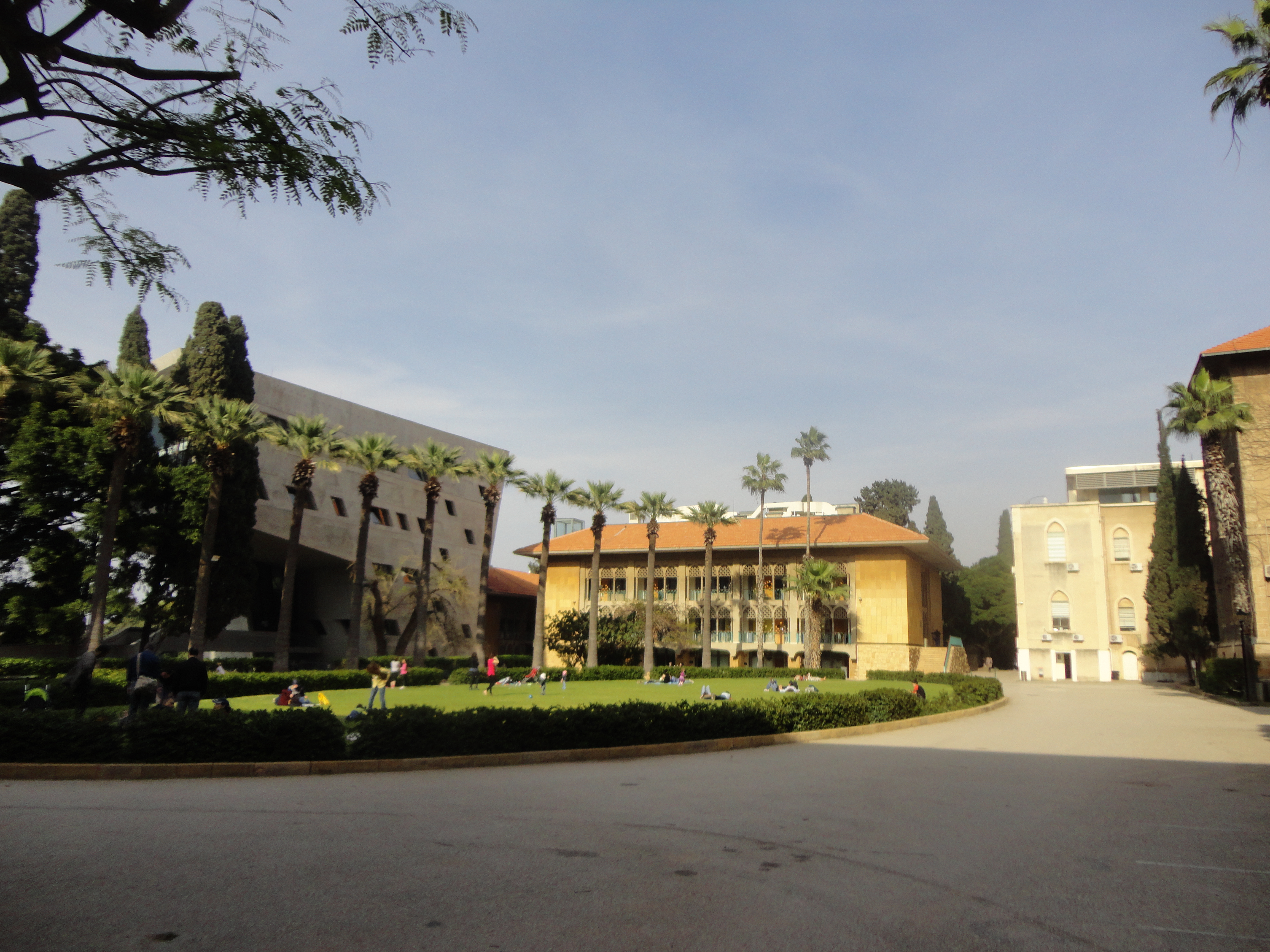
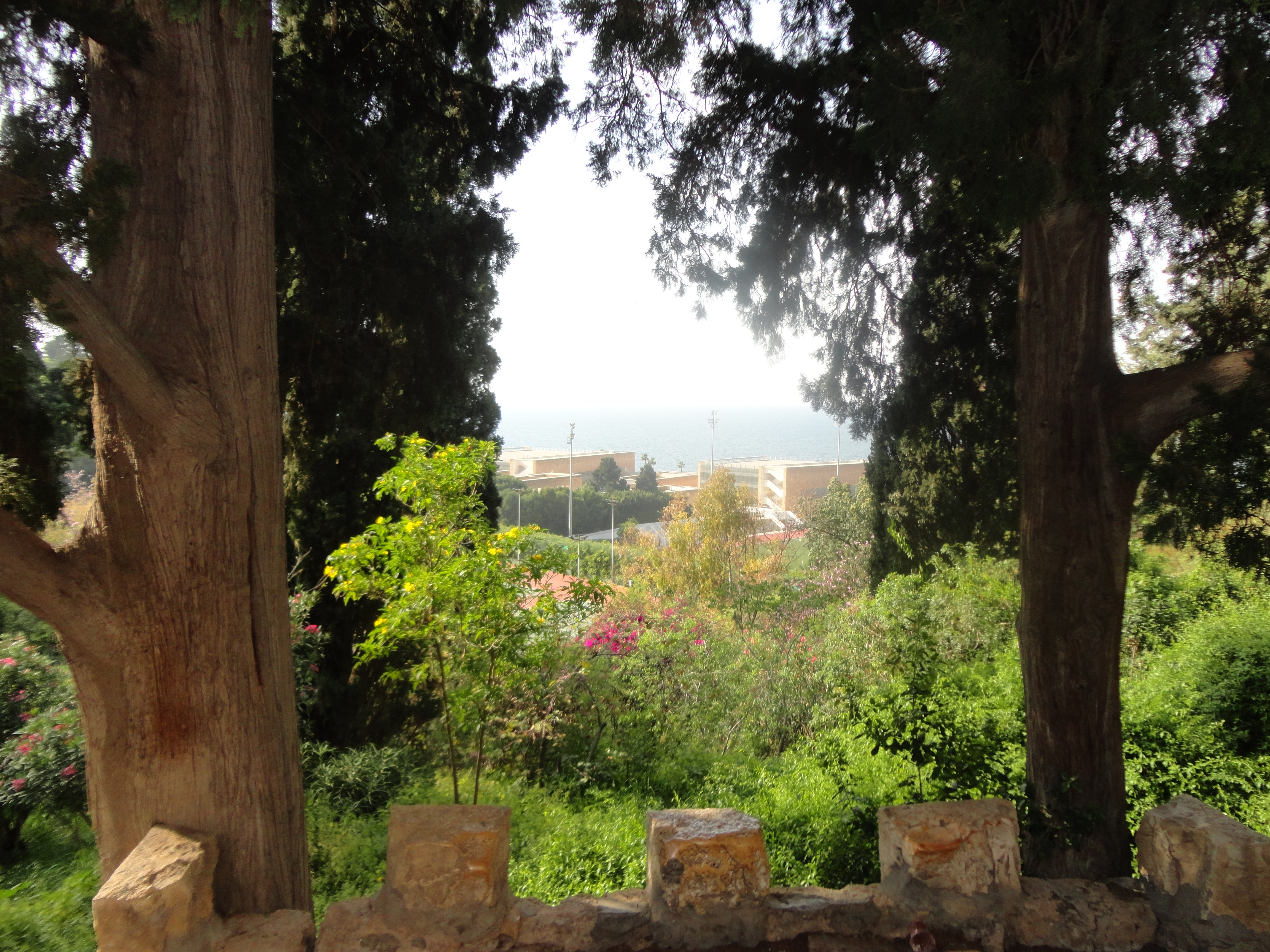
The gracious campuses of the American universities in Beirut. Left: Lebanese American University; right: American University of Beirut. Iran reports that 21 of their universities have been hit in the current conflict.
 goingfortheguttural