
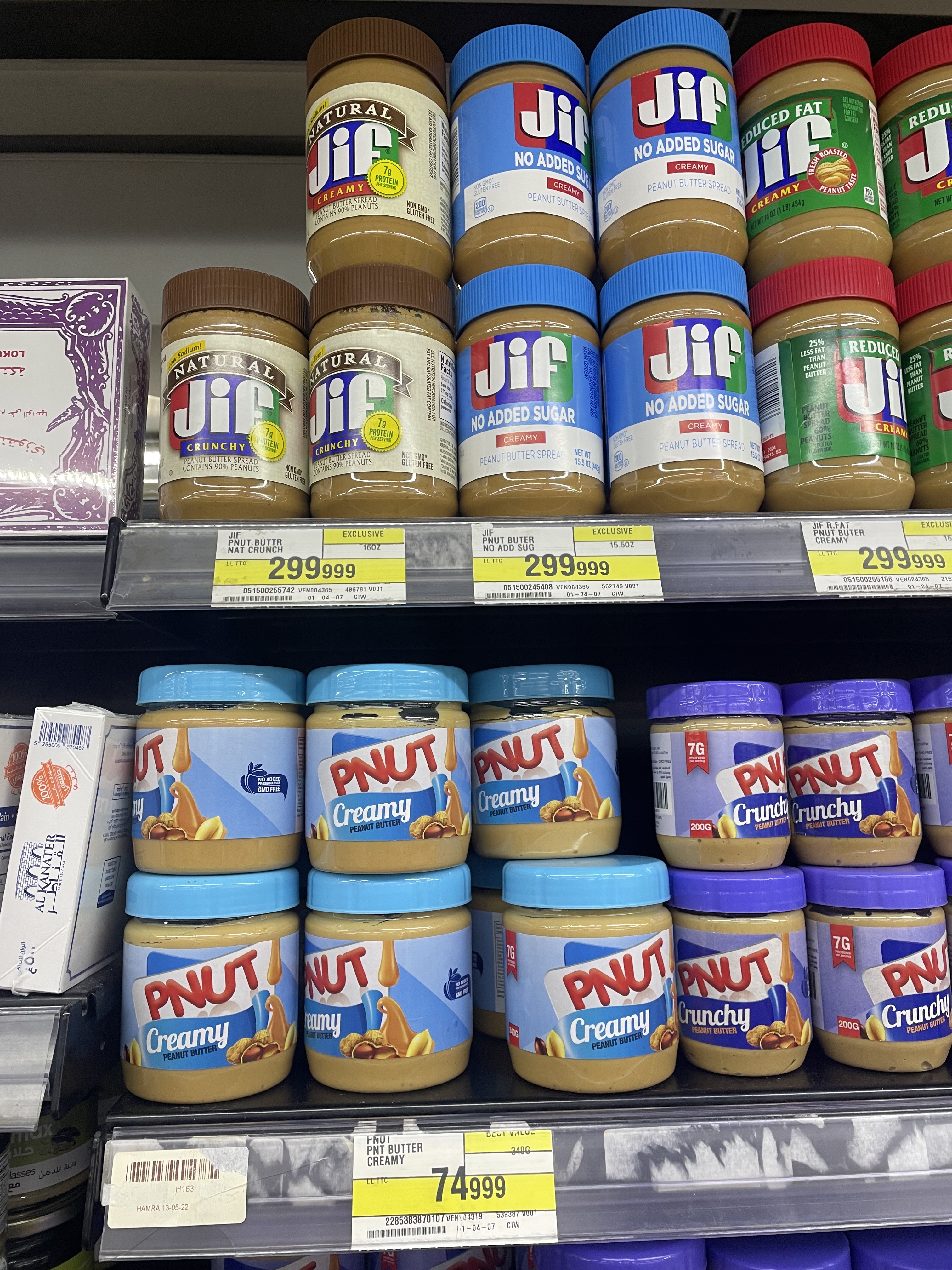
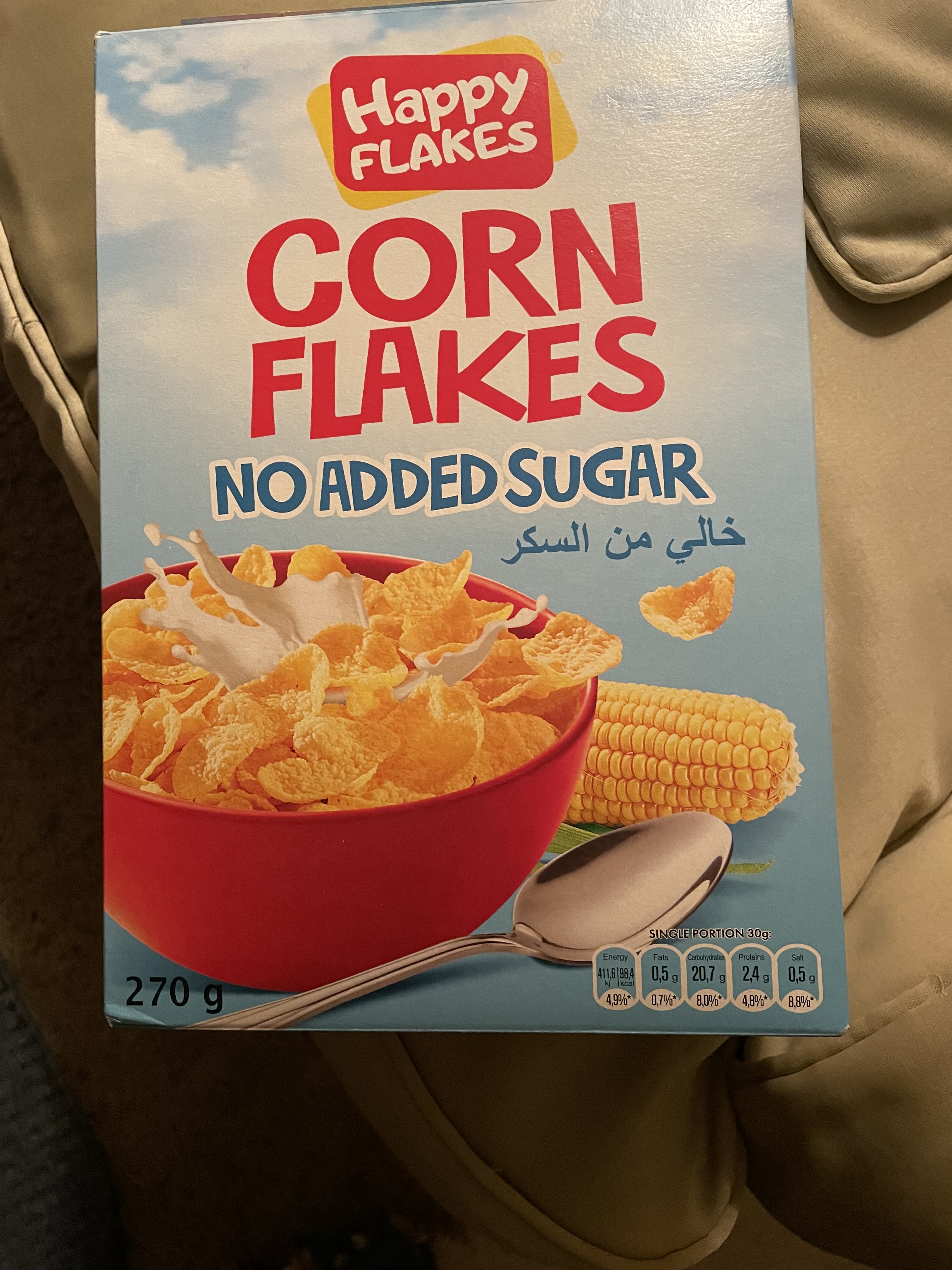
I flew back to Beirut with my usual luggage overages fulfilling wish lists from friends. These included a washing machine belt, Crest toothpaste, compression hose, and vitamins, all of which can be difficult to find now. American products are too expensive for most Lebanese now and shelves are now stocked with mostly inferior goods from Turkey, Bangladesh, India, and Ukraine. Replacement parts for appliances are at a premium because so many firms have pulled out of Lebanon.
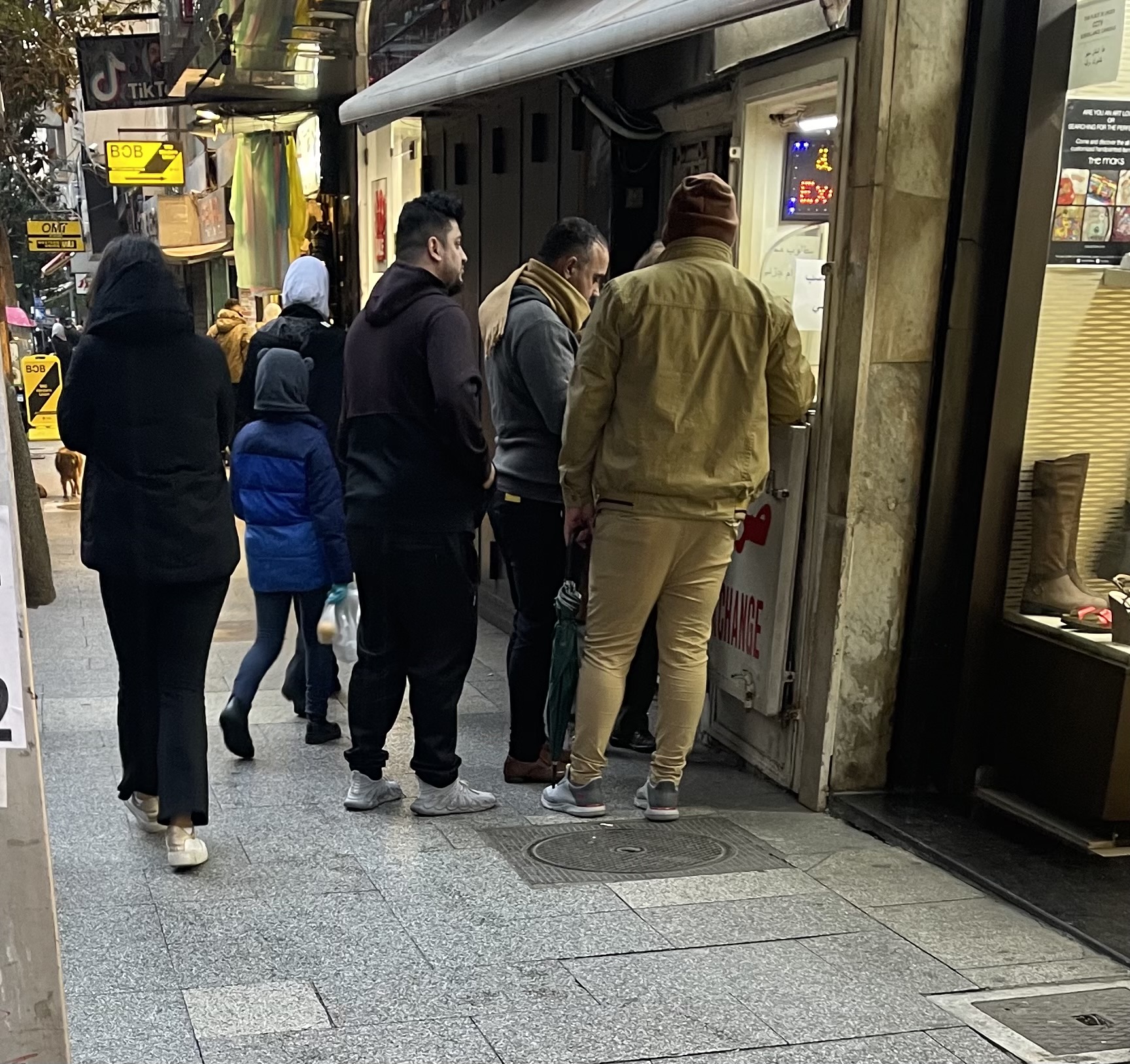
The lira breached 60,000 LL to the U.S. dollar last week, a precipitous decline from 1,500 LL of four years ago. I asked people what bad news had preceded this latest 20% drop in three weeks and most people mentioned Parliament’s gridlock in selecting a president but some opined that the banks were playing currency games. I discounted this second opinion until I read in L’Orient Le Jour that in December the banks had encouraged deposits of lira by offering a very favorable withdrawal rate of these deposits in dollars. Of course there was a stampede to make deposits and a few weeks later the rules changed and people have to content themselves with getting their now devalued lira back. This is the only country in the world where people hold up banks to get their own money – and have a depositors union helping them.
These days the Lebanese are buying only what they absolutely need if they can afford it at all. Their cars, shoes, cellphones, and appliances are falling apart. A friend who is a doctor told me his shoe had become detached from its sole as he was walking to the hospital and he had to duct tape it to get through the afternoon. He said he can’t afford a new pair of shoes and will be wearing his sneakers to work now. His sister, married to a doctor, can’t afford to replace her defunct cellphone.
This family is fortunate as they have skills to barter. The doctor bartered his skills with a colleague to have his sister’s fractured arm set and put into a cast. The sister barters her teaching skills for dinner at the end of the day.
I ask everyone how they and others are managing to survive. The answer I invariably get is “with outside help”. The Lebanese diaspora in the West and the Gulf is sending money home not just to their extended families but also to friends. The U.S. government recognizes the dangers of desperation for recruitment to ISIS and other groups and is sending monthly bonuses to members of the securities services as their monthly salary has fallen to about $80/month. Shi’a friends tell me that Hezbollah is under enormous pressure to focus on helping its constituency rather than fighting as their constituents are the least likely to have relatives sending them money from outside.
People’s greatest fear here is a major health emergency like the heart valve replacement required by a friend’s mother, a retired nurse. She has to go before a government panel to argue her case, as if anyone undergoes this procedure recreationally. The family will have to sell their home if her petition is denied. Civil servants can no longer expect their health insurance plan to cover anything but a fraction of their health care needs.
Everyone is angry at the political class. They are seen not only to have robbed the country of its wealth and sent it abroad but now can’t even function enough to elect a new president so the nation can sign loan agreements. Of course, those loan agreements would contain anti-corruption measures, so one appreciates the impasse.
Next Wednesday the country will be shut down by strikes. Many public employees are no longer showing up to their jobs anyway. The public schools are shut, pending labor negotiations. Lebanese University, which didn’t have light or heat last year, this year didn’t even open in the fall as the teachers can’t afford the gas to get to their jobs. The post office is threatening to go on strike and the transport sector, such as it is, is going on strike along with public hospital employees.
It will just be venting. The political class isn’t budging. People speak longingly of army coups, revolution, and even invasion. One friend wants some Western billionaire to buy the country for its debts and set it on the straight path. Another friend, a Christian, says she wishes Hezbollah were in charge of the government because they know how to take care of people. In a normal country, a revolution or a coup would be conceivable but in Lebanon it would just set off another civil war. The fault lines here are so deep that even the families of the 2020 port explosion are divided and the judge and prosecutor are canceling each other out.
But everyone knows that things could be worse. They know what civil war looks like. They have friends and relatives in Syria where the ravages of war and Western economic sanctions have eviscerated the country. People there are not just hungry but becoming malnourished. A Syrian friend told me a high school classmate is losing teeth to malnutrition. A Shi’a family who had lived as refugees for years in Beirut returned to Syria two years ago to take care of aging relatives have told us they now wish to return to Lebanon as there is no work, electricity, medicine, or education for their children where they are in Kurdish controlled Syria. (I know them from a local church where they allow their children to attend Sunday School but that’s another story).
No one can predict the future, good or bad. And so the Lebanese endure. Living day by day. Anxious, angry, and trying to be grateful for getting through another day. Dreaming of dictators.
 goingfortheguttural