
I made it my business to try to find out how people in Lebanon are coping with the collapse of their currency and the severe reduction of their purchasing power. I asked everyone I could how they’re dealing with the new normal, for that’s what it is. I can’t claim this inquiry does more than scratch the surface but maybe it gives a hint.
The first thing to note is that the currency collapse has divided the country into haves and have-nots. Those who have access to dollars or euros are doing just fine. Foreign aid workers can live like kings. Anyone with a pension paid in dollars is winner, like the retired telephone operator of my acquaintance whose pittance of a pension from the American Embassy is now supporting three generations. About 150,000 families receive regular remittances from abroad via OMT, the wire transfer company, and for now, I believe, they can receive these transfers in dollars and not be forced to convert them to Lebanese lira at a fraction of the market rate.
Among the have-nots, many are simply leaving. A common greeting now is “you’re still here?” Medical professionals are in the forefront of this exodus as their specialties are desirable and their English or French is fluent as those are the languages of science instruction in Lebanon. In addition to doctors, nurses, and pharmacists, teachers of English are also leaving and at about the same 20% rate.
Those with less fungible professions are hoping for employment in the Gulf. There has been a sizable Lebanese ex-pat community there which commutes home on weekends. This is less sure a solution now than it has been in the past and not just because the Gulf states are trying to develop their own professional class out of their rich wasters. The Lebanese are reportedly being offered lower than usual salaries there as they are in no position to bargain.
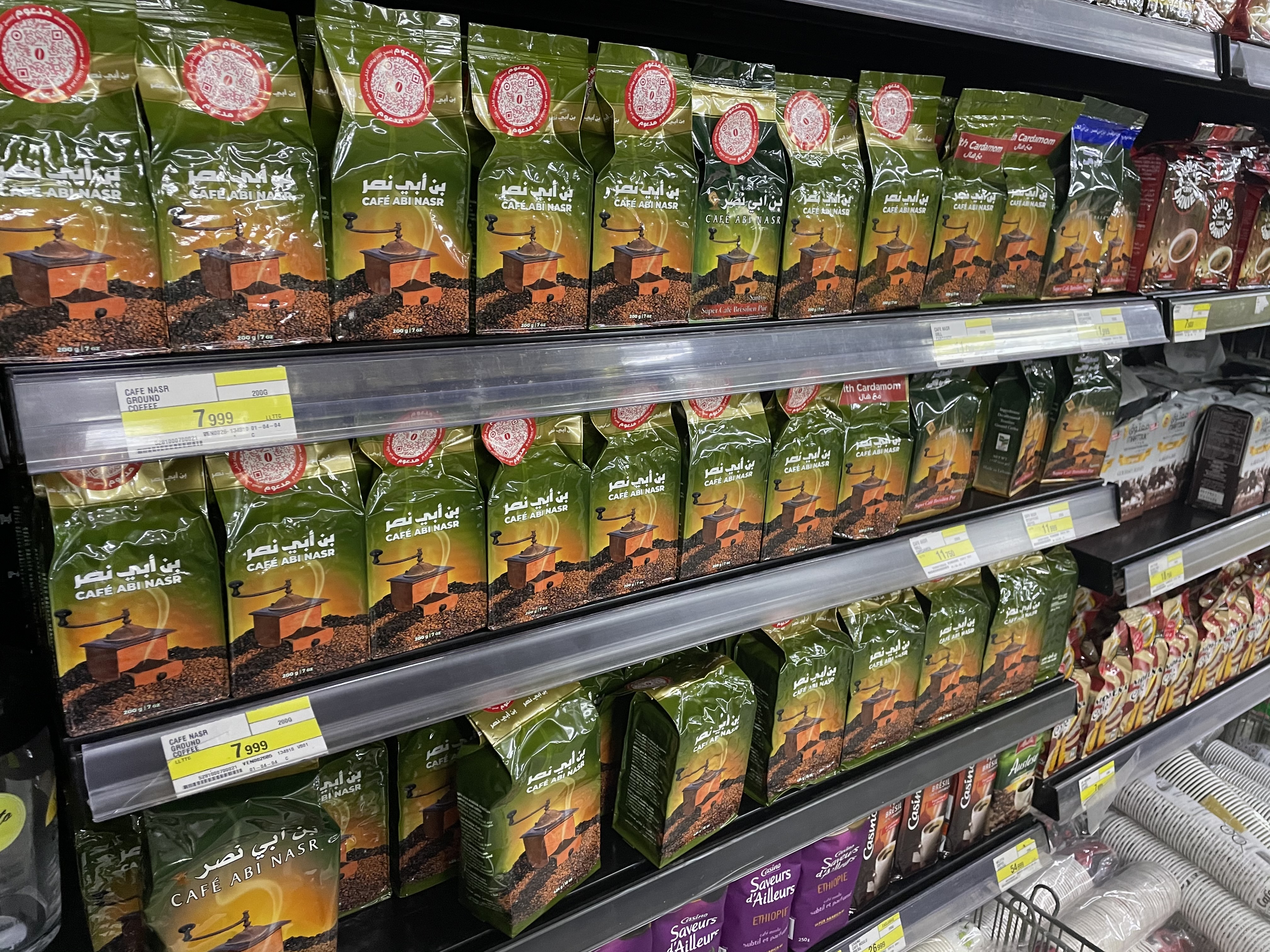

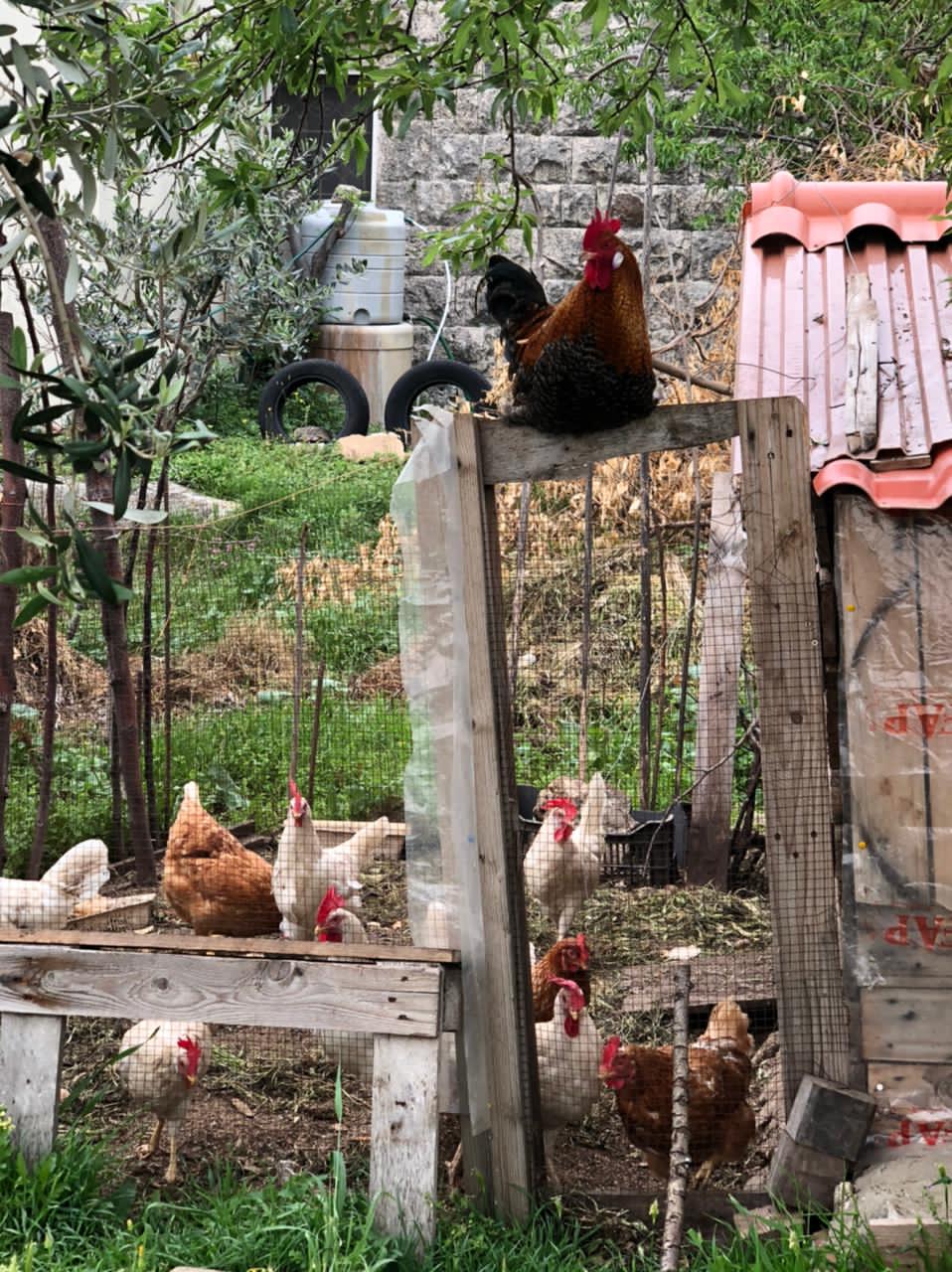
Those who remain are resorting to their wits. Take the Lebanese armed forces, for example. They reduced expenses last summer by no longer serving meat to their troops. Now they are trying a new income scheme — giving rides to tourists in their helicopters. Anyone with land is cultivating it. Last year I read that the Greek Orthodox Church, a major landowner here, was offering land for allotment farming. How people will get to their allotments now in the face of a severe gasoline shortage is another matter. People with backyards are even raising chickens as beef, chicken, and fish are not just expensive but their freshness is becoming questionable, especially now with the power blackouts. Food is expensive as about three-quarters of it is imported to the land of milk and honey. Food subsidies have helped people manage basic nutritional requirements. Rice, beans, pasta, cooking oil and coffee are among the foodstuffs that have been subsidized by the government. The government covers the price differential by reimbursing the seller. The potential for abuse is a business opportunity for some. Subsidized Lebanese foodstuffs have been found in their original packaging on shelves in Sweden and Turkey. Truckloads of subsidized foodstuffs and fuel are being smuggled into Syria where people are starving, thanks to the West’s sanctions program. This annoys many Lebanese as they see their frozen bank accounts as the funding source for subsidies. Before subsidies started to end last month there was a good deal of hoarding going on amidst the general anxiety. Now food prices are rising to their real market rates and are becoming astronomical for the poor.
The scramble for cash is relentless. With an unemployment rate upwards of 50%, it is no wonder theft is increasing. The theft of cars and car parts is on the rise. One scam involves hitting a target car from behind and stealing it when the owner gets out to investigate. A friend wrote that three Kias were stollen from her village above Byblos — she is now taking the battery out of her car at night. One of the reasons I had to move from my original residence a few months ago is that friends were afraid to park their cars in that neighborhood. Another scam is to ring intercoms in apartment buildings, claiming a delivery and then robbing the apartment that opens its door.

Even the well-to-do are liquidating assets – the yachts in the marina are being sold to Saudis, I heard from a man at church who until recently used to work on one of the yachts there. Second-hand stores are cropping up on Facebook and even on Hamra, the main shopping street in my neighborhood where until recently global brands like American Eagle and the Body Shop could be found. The Facebook page Second Hand Beirut is a painful testament to desperation — one recent entry proffered empty supermarket jars.
The self-employed are dealing with their patients and customers differently from before when they would simply state their fee for services. My dentist now tells patients what the cost of materials is and tells them they must cover that. His services, though, are up to their discretion. Most patients pay nothing or very little but some who are working aboard pay the dollar rate of the past. The shirtmaker in my neighborhood took an order from me on the same open basis. He is using his studio as an art gallery now and collects old tires for their metal content — he can get $300 for every 300 tires he brings to the salvage yard. It turns out that the Beirut port explosion was a bonanza for metal salvagers — no wonder the clean-up was so quick! A retired teacher of my acquaintance tutors a family’s children in exchange for a meal at the end of a lesson. My hairdresser no longer bothers with the full salon treatment of washing the client’s hair and combing it out before the cut. His customers want only the most basic service so he just sprays the hair with water prior to cutting it. Even right before Easter when there should have been an especially high demand for his services due to the holiday and lifting of Covid restrictions, I found his salon empty.
And what of the foreign domestic workers? Until recently, a live-in maid was within the budget of a middle class family. Now, even the small salaries paid to these workers are too much for those whose salaries are in lira. Some families have sent their maids back to their home countries. Many have simply deposited them at the doors of their embassies, most of which do little for them. To its great credit, the Philippines has chartered planes to brings its nationals home. But poor prospects at home were the reason these people, mostly women, came to Lebanon in the first place. Many have simply melted into the slums, hoping to find day work. A friend who works at a Christian NGO trying to help foreign domestic workers said that more of these women are having children now, suggesting that these women are hooking up with men in some kind of concubinage arrangement in the hopes of support. One can only imagine their vulnerability to pimps. This NGO accompanied one foreign domestic worker to her embassy to ask for a repatriation flight and the embassy official suggested that she should earn her airfare by turning tricks.
There is no government safety net in Lebanon. The World Food Programme has been ramping up its aid in Lebanon but only serves the destitute. A Syrian refugee family I know was rejected because the mother works two days a week cleaning houses. She has six mouths to feed. Religious groups try to help, like the Maronite project of identifying and helping the needy within their dioceses or mission dollars flowing in from denominations abroad like the Presbyterian Mission Agency. I expect the Muslims have similar initiatives. Families and friends try to help one another, especially in the countryside where roots run deep and the land can be put to use. But I am told that a larger and surer source of aid are the clientelist sectarian political parties, notably Hezbollah and the Lebanese Forces, a Christian party. This crisis is an opportunity for them to solidify loyalty among the rank and file by providing stipends and other resources.
Right now the resources most scarce these days are gasoline and electricity. Even the financially comfortable are finding it difficult to fill their gas tanks and recharge their computers. People are organizing their working lives around the hours of electricity provided by the public utility and the back-up generators. The gasoline lines are so long that at the end of the evening people park their cars in line, go home to sleep, and get into their cars the next morning to inch towards the gas pumps. A friend managed to get gas this way so he take his family to their mountain house to water the garden they had planted a few months earlier. When they got there they found that there was no water because there was no electricity for the village water system. The garden was dying. I asked him if he was going to be okay. He answered, “As long as there is peace here, we will be okay.”
 goingfortheguttural