

My computer crashed three months ago so I wasn’t able to update this blog while in Beirut. I could have tried to have had it repaired there but I don’t trust repair services in Lebanon these days.
There, I said it.
Too many friends have taken their cell phones, computers, and cars in for repairs and found that they have paid for used replacement parts or have had, in the case of car repairs, other parts of the car stollen. This is what a currency collapse does to otherwise good people.
I could have gone to an internet cafe to get the job done but apart from concerns over Covid, there was a great deal of pressure on one’s time during off-curfew hours. The Ministry of Public Health instituted multiple curfews and lockdowns, especially during during Ramadan, normally a period of evening socializing and conviviality for those observing the daylight fast. Between lockdowns and curfews we were all forced to spend a good deal of time at home. When allowed out, we reverted to our ancestral patterns of hunting and gathering, especially for medicines and food basics, which the currency collapse has made scarce. I joined the bands of neighborhood people going from pharmacy to pharmacy looking for prescription medicine. My own pharmacist showed me the waybill of his most recent order — he had received exactly one box of every medicine he had ordered. As pharmacies are supplied every ten days, my pharmacist can help exactly three cardiac patients a month with their Irbesartan. I told him he had first dibs on medication for stress. At least he’s still in business. Seventy percent of recent pharmacy graduates have left the country. About twenty percent of the medical professionals have left as well.
Normally, my trip to Lebanon is a very social experience. But this year it was a tough trip for me — the curfews and lockdowns kept me isolated from those I wanted to see and the lack of restaurant dining made it difficult to get together even when we could. I felt a loneliness that I hadn’t felt since my first year there and even then I had church for socializing. I quickly learned that the purpose of this trip was to bolster the spirits of my friends and to help them when I could. Foreigners like me were repeatedly told how it lifted morale to have us visit during this desperate period.
I was able to experience some pale semblance of normalcy before I left in the two weeks after Ramadan. The curfew was moved back enough that it was possible to go to restaurants with friends in the evening. It proved a wistful experience. Many establishments had closed for good. And many friends were missing as some had not come back from abroad for their work this year and others had left with their families for a new life elsewhere. But it felt wonderful to spend evenings with the friends who still remain, at least for now.
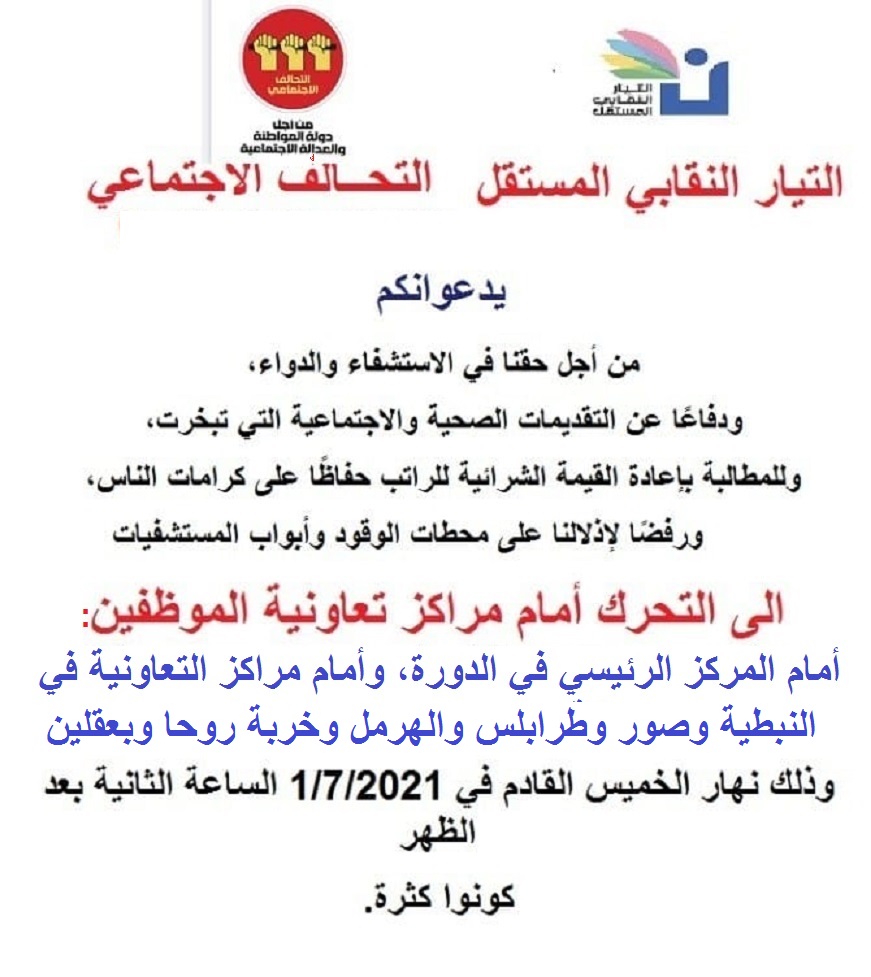
So many activities I normally do in Lebanon I couldn’t do this trip. I like to travel to see friends outside Beirut and visit new places. But travel is now a fraught experience there. Angry demonstrations regularly cut off roads and streets. For my much of my trip, travel within the country required a permit from the Ministry of Public Health. My first application to visit a friend in the seaside town of Anfeh was denied. Street lighting and even traffic lights have gone dark as economy measures so travel by car is hazardous. When I was able to go a few weeks later to Anfeh I was terrified by the ride back on the darkened autostrade where the only light was the high beams of oncoming traffic blinding our eyes. After that I made only two other trips outside of Beirut and both in daylight hours.
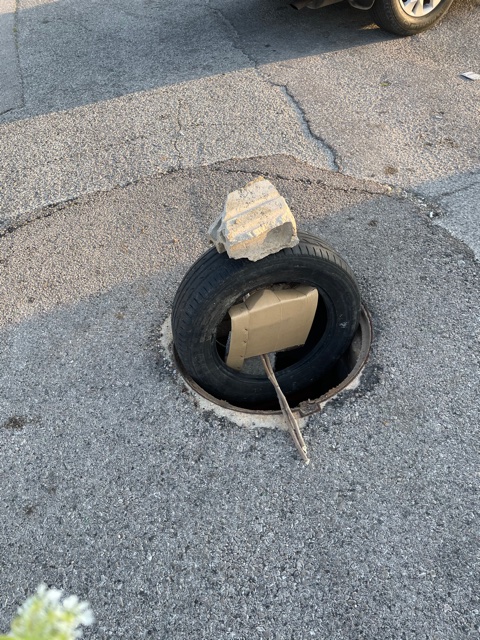
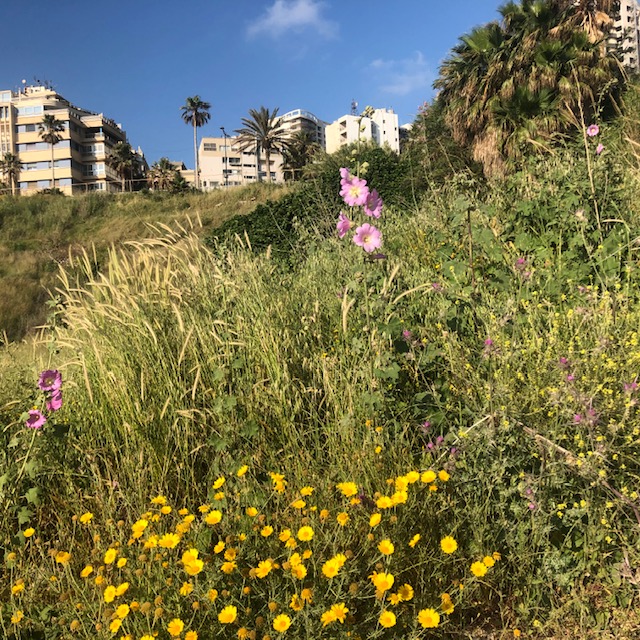
Nor were my excursions inside Beirut comfortable. Normally, I go on walks on wasteland near the beach to collect wildflowers, get a little exercise, and enjoy the seaside air. Usually there are people fishing off the rocks but this year they weren’t there. I expect the August 4th Blast poisoned the fish. I didn’t feel safe with just a friend to keep me company. Walking along the city streets also proved hazardous as manhole covers are now routinely stollen and sold for scrap. In the darkened streets, it is hard to see where one is stepping. The streets at night are eerily empty of cars and pedestrians.

I like to say that the Lebanese are Italians who speak Arabic. They are fun-loving, sensual, cosmopolitan, and wry. But this year, they were morose and anxious. The word my pharmacist used to describe the mood was “desolation”. It is now a commonplace to think back to the Civil War as a better time. Part of me hears this in light of human nature, very much akin to the ancient Hebrews trudging through Sinai nostalgic for slavery in Egypt. But, as friends explained, the Civil War with all its invasions and bloodshed had periods of peace and normalcy and, mostly, the economy ticked along. There was always the concrete hope for the peace that finally came.
Now, what concrete hope exists? What roadmap shows the way out of the tsunami of crises battering the country — the collapsed currency, the catastrophic national debt, capital controls preventing withdrawals from a now fragile banking system, 50-70% unemployment, two hours a day of government electricity, political stagnation and increasing sectarianism, and corruption holding the country together like a cancer? Endless articles describe the problem but I have yet to read one that proposes a solution. The problem is deeply structural. The Lebanese tried a peaceful revolution in October 2019 and were attacked by partisans on motorcycles wielding bicycle chains. The Lebanese refer to their political parties as “mafias” with good reason.
I left Lebanon wondering if will be safe enough for me to return. I don’t see how the collapse won’t lead to general lawlessness. Tuesday’s headline in The Daily Star, the English-language newspaper was: “Lebanon seen drifting toward total chaos amid collapsing pound”. It reached 18,000 LL to 1 USD the other day. That is about 20 percent lower than it was when I left. Until a year and a half ago the pegged rate was 1,500 LL to 1 USD. Now, at this moment of immiseration, the subsidies are coming off baby formula and other foodstuffs. There are severe shortages of gasoline for cars and of diesel fuel for generators. Even people with jobs can’t work if there is no electricity.
I tell friends I’ll return if there is fighting in the southern suburbs but not if there is fighting in my neighborhood. Lebanon needs a miracle. Pope Francis is on the case — he’s summoned the leaders of the Lebanese Christian denominations for a summit at the Vatican. Yesterday’s headline in the Daily Star reads: “Lebanese look for divine intervention to rescue their country”.
In the meantime, I’ll try to catch up on this blog. And keep praying for that miracle.
 goingfortheguttural